 PRODUCTS
News // August 18, 2026

Written by Security Plus Shutters
Security Screen Doors vs Safety Doors: What’s the Difference?
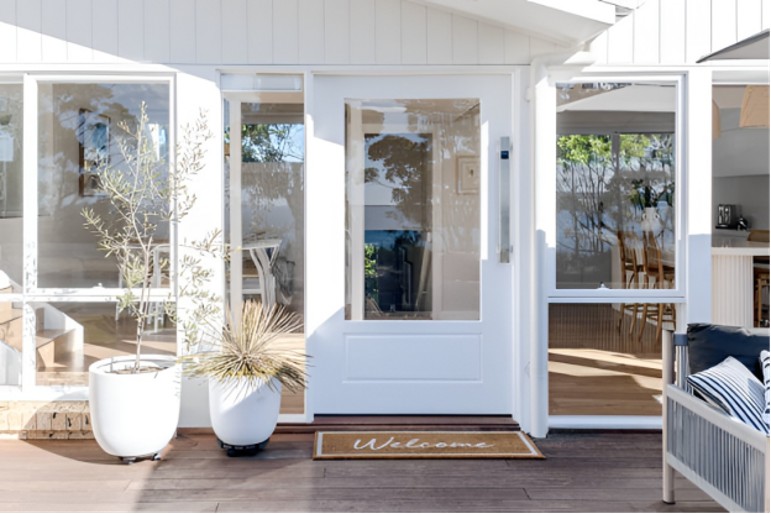
Choosing between a security screen door and a safety door often comes down to one simple question: what are you actually protecting against? At Security Plus Shutters, Doors & Blinds, we get asked this every day by homeowners across Melbourne. While the two can look similar from the street, they are designed for different levels of protection. Understanding how they’re tested, built, and installed can help you choose the right option for your home and budget.
Table of Contents
ToggleKey Takeaways
- Certified security screen doors are tested to Australian standards for impact, jemmy and knife-shear resistance.
- Safety doors provide an additional barrier and ventilation but are not certified for forced-entry resistance.
- A genuine security screen is a completely tested system, including the frame, mesh, locks, hinges and installation.
- Mesh quality, locking systems, and frame construction all affect long-term security performance.
- Both door types improve comfort and airflow, but they serve different security needs.
What Is a Security Screen Door?
A security screen door is more than a strong-looking screen attached to a doorway. According to the National Security Screen Association (NSSA), a product can only be called a security screen door when the complete door system has been independently tested and complies with the relevant Australian Standards for security screen doors.
That means the entire system is assessed, including:
- The frame.
- The mesh or grille.
- Hinges.
- Locks.
- Fixings.
- Installation method.
This is an important distinction because a heavy-duty mesh alone does not make a door a certified security door.
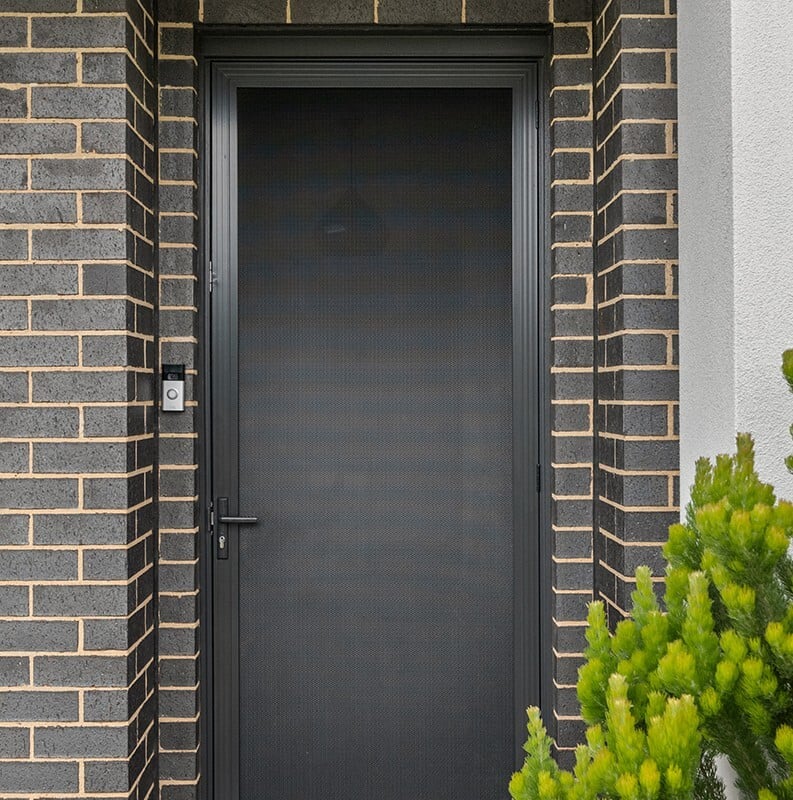
At Security Plus Shutters, Doors & Blinds, our security doors are built with heavy-duty aluminium frames, marine-grade 316 stainless steel options, and multi-point locking systems designed to strengthen the entire entry point rather than just the screen itself. **This can only be about Invisi-Gard**
What Is a Safety Door?
A safety door provides an extra layer of protection over a standard flyscreen while allowing fresh air and natural light into your home.
Safety doors are commonly available with:
- Not tested and labelled Stainless steel mesh
- Not tested and labelled Privacy Mesh
- Not tested and labelled Perforated Aluminium Mesh
- Diamond grille designs.
- Decorative patterns.
- Flywire mesh.
- Pet-resistant mesh.
- A wide range of colours and finishes.
The NSSA explains that a safety door is not certified to resist forced entry under the Australian security screen standard. That doesn’t mean it has no value; it simply means it hasn’t been independently tested to the same performance requirements as a certified security screen door.
For many homeowners, safety doors are an affordable way to improve ventilation, insect protection, and everyday peace of mind.
The Biggest Difference: Australian Standards
The most important difference between the two is independent testing.
Certified security screen doors are tested under Australian Standards for security screen doors (AS 5039), which include performance tests designed to simulate forced-entry attempts.
These tests assess resistance to:
- Dynamic impact.
- Jemmy attacks.
- Knife shear.
- Pulling and leverage forces.
A door only qualifies as a security screen if the complete assembled product passes these requirements.
Safety doors do not undergo this same forced-entry certification process, which is why they should not be marketed as certified security doors unless independently tested and labelled.
Security Door vs Safety Door: A Simple Comparison
| Security Screen Door | Safety Door |
| Independently tested to Australian Standards. | Not certified for forced-entry resistance. |
| Built as a complete security system. | Provides an additional protective barrier. |
| Designed to resist impact and knife attacks. | Designed primarily for everyday security and ventilation. |
| Heavy-duty frame and multi-point locking system. | Usually fitted with standard locking hardware. |
| Premium mesh options, including marine-grade stainless steel. | Available with similar looking mesh as security doors but not tested, flywire mesh, pet mesh, and decorative grille styles. |
Why Testing Matters More Than Appearance
Many doors look secure because they have thick frames or stainless steel mesh. However, appearance alone doesn’t guarantee performance.
Industry guidance highlights that homeowners should look for evidence that the complete door system has been independently tested rather than relying on marketing claims such as “security style” or “security look.”
A properly tested security screen is designed so that the mesh, frame, and locks continue working together under force and is labelled as a certified door. If one component fails, the protection is compromised.
This is one reason professionally manufactured and installed security doors generally cost more than standard safety doors.
Choosing the Right Mesh and Locking System
The mesh and lock you choose make a significant difference to both durability and protection.
For Melbourne homes, popular options include:
- 316 marine-grade stainless steel mesh for excellent corrosion resistance, especially in coastal environments.
- Perforated aluminium mesh for privacy, airflow, and strength.
- Aluminium Privacy Mesh
Locking systems also vary. Multi-point locking systems secure the door to the frame at multiple locations, providing greater resistance than a single latch.
When comparing products, ask whether the locking hardware is part of the tested security door system.
Which Door Is Best for Your Home?
The right choice depends on your property, lifestyle, and budget.
Choose a security screen door if:
- Your priority is certified protection against forced entry.
- You’re securing the main front or rear entrance.
- You want a long-term investment in home security.
- Your property is in a coastal location where corrosion resistance matters.
Choose a safety door if:
- You want improved ventilation and insect protection.
- Budget is the primary consideration.
- You’re securing a laundry, side entry, or low-risk access point.
- You prefer decorative grille designs.
Many Melbourne homeowners combine both options, installing a certified security screen door on the primary entrance and safety doors on secondary access points.
Is a Security Door Worth the Investment?
A certified security door generally has a higher upfront cost than a safety door, but it also offers benefits beyond forced-entry resistance.
These include:
- Greater durability.
- Better corrosion resistance with quality materials.
- Stronger locking systems.
- Potentially improved buyer appeal when selling a home.
Lead times for custom-manufactured security doors are typically around four to six weeks, so it’s worth planning ahead if you’re renovating or moving into a new property.
How Security Plus Shutters, Doors & Blinds Can Help
Every Melbourne home has different security needs. That’s why Security Plus Shutters, Doors & Blinds offers custom-made security doors and safety doors designed to fit your exact doorway not a standard off-the-shelf size.
We’ll help you compare mesh options, locking systems, and frame styles so you can choose the solution that suits your home’s location, lifestyle, and level of security.
Conclusion
The difference between a security screen door and a safety door isn’t just the name; it’s the level of independent testing, construction,, and protection behind the product. If certified resistance to forced entry is your priority, a security screen door is the stronger choice. If you want a practical, attractive barrier that improves ventilation and everyday safety, a safety door can still be an excellent option. The best decision comes from choosing a door that matches your home’s security requirements, not just its appearance. If you’re unsure which option is right for your property, Security Plus Shutters, Doors & Blinds can help. Contact us today for a free measure and quote, and our Melbourne team will recommend the best security or safety door for your home’s layout, budget, and security needs.
FAQs
What’s the main difference between a security screen door and a safety door?
A security screen door has been independently tested to Australian standards for forced-entry resistance. A safety door provides an additional protective barrier but is not certified to the same testing standard.
Do all doors with stainless steel mesh qualify as security doors?
No. The mesh alone does not make a door a certified security door. The complete door system—including the frame, locks, hinges, and installation must be independently tested.
Are security doors suitable for coastal homes?
Yes. Marine-grade 316 stainless steel mesh in the InvisiGard door is specifically designed to resist corrosion, making it a popular option for homes in coastal areas around Victoria.
Can I install a security door on a rental property?
Yes, with landlord approval. Many security doors can be custom fitted and installed without permanently altering the existing doorway.
Do security and safety doors still allow airflow?
Yes. Both security screen doors and safety doors allow fresh air and natural light into your home while helping keep insects outside.
How do I know if a security door meets Australian standards?
Ask whether the complete door system has been independently tested and certified to the Australian Standard for security screen doors, rather than relying on the mesh or frame alone. The door will be labelled as a certified security door.