
 PRODUCTS

News // October 16, 2026

Written by Security Plus Shutters
Indoor Blinds for Living Rooms
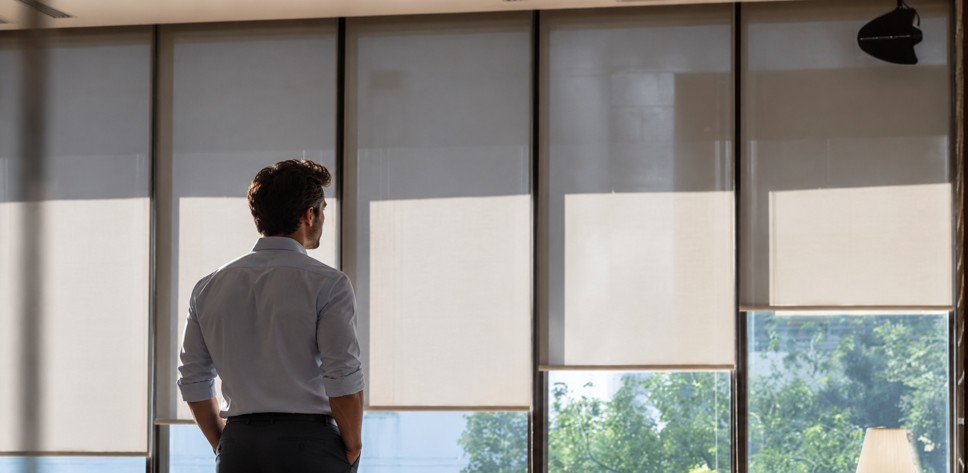
The living room is where families relax, entertain and spend most of their time together, so the right window covering matters. At Security Plus Shutters Doors & Blinds, we help Melbourne homeowners choose indoor blinds that balance light, privacy, comfort and style. This guide explores the best blind types for living spaces, how they affect energy use and what to consider before you buy.
Table of Contents
ToggleKey Takeaways
- Living room blinds should balance natural light and privacy.
- Windows are a major source of heat gain and loss.
- Roller, sheer, venetian and honeycomb blinds all suit living spaces.
- Cord safety is essential in homes with young children.
- Made to measure blinds deliver the neatest, most effective fit.
Why Living Room Blinds Deserve Careful Thought?
Living rooms often have the largest windows in the house. They catch the morning sun, the afternoon glare and the attention of anyone passing by. The blinds you choose shape how the room feels at every time of day.
Good blinds should help you:
- Control glare on the TV and screens
- Keep the room cooler in summer and warmer in winter
- Maintain privacy from the street or neighbours
- Protect floors and furniture from harsh sunlight
- Complement the style of your home
Windows and Energy: The Numbers Behind Comfort
Windows have a big effect on indoor temperature. As The Conversation reports on window heat gain and loss, up to 87 percent of heat gain on hot days and around 40 percent of heat loss on cold days happens through windows. The same article notes that just over 10 percent of windows in new Australian homes are high performance.
That is where indoor blinds help. Testing by the Innovation Hub for Affordable Heating and Cooling, published in its technology evaluation report on honeycomb blinds, found an average 56 percent reduction in heat transfer through windows fitted with honeycomb blinds, along with a 12.5 percent drop in cooling energy when the blinds were kept closed.
Internal blinds work best as part of a broader approach. CHOICE’s guide to keeping your house cool naturally recommends shading east, north and west facing windows and combining external shading with internal treatments for the best results. The Blind Manufacturers’ Association of Australia also outlines how well chosen window coverings can support energy savings at home.
You can read more about this in our article on [how blinds help reduce energy use](blog2).
Popular Indoor Blind Styles for Living Rooms
Each blind type offers a different balance of light, privacy and insulation. Here are the most popular choices for living spaces.
Roller Blinds
Roller blinds are clean, simple and versatile. They suit modern and classic interiors alike and come in a wide range of fabrics.
- Translucent fabrics soften light while maintaining privacy during the day.
- Screen fabrics reduce glare and heat while preserving the outlook.
- Blockout fabrics suit media rooms or west facing windows with strong afternoon sun.
Explore range of roller blinds at Security Plus Shutters Doors & Blinds to see the fabrics and colours available.
Sheer and Dual Blinds
Sheer blinds filter daylight beautifully and create a soft, airy feel. Dual roller systems combine a sheer with a blockout fabric, giving you daytime light and night time privacy in a single window.
Venetian Blinds
Venetian blinds use adjustable slats, so you can direct light up, down or block it completely. Timber and timber look options add warmth, while aluminium suits contemporary spaces.
Honeycomb Blinds
Also known as cellular blinds, honeycomb blinds trap air in their cells to create an insulating layer. They are a strong choice for living rooms that feel cold in winter or hot in summer.
Getting the Light Right
Natural light makes a living room feel open and welcoming, but too much can cause glare and heat. Too little can make a space feel closed in.
Daylight is not always easy to come by in Melbourne apartments. A study by RMIT researchers in Infrastructures on daylight in Melbourne apartments found that around one third of the apartments studied had insufficient daylight. In these homes, light filtering or sheer blinds help protect privacy without darkening the room further.
Our article on the [health benefits of indoor roller blinds](blog1) explains how better light control can also support comfort and wellbeing.
Child Safety Comes First
Blinds with cords or chains need careful installation in homes with young children. According to an ACCC review of corded window covering safety, 21 child deaths linked to corded internal window coverings were recorded in Australia between 1999 and 2018.
A case report in the Medical Journal of Australia on curtain cords recommends keeping cords at least 1.6 metres above the floor and moving cots away from windows. Kidsafe Victoria’s blind cord safety advice also suggests keeping couches, bookshelves and other climbable furniture away from windows with cords.
Rules in Victoria have also tightened. As reported by Star Weekly, from December 2025 all internal window coverings in Victorian rental properties must have cords secured with a cord guide or cleat fixed to the wall.
To keep living rooms safe:
- Choose cordless or motorised blinds where possible.
- Fix cleats or tension devices for any remaining cords.
- Keep furniture children can climb away from windows.
- Have blinds installed by a professional who follows Australian safety standards.
Tips for Choosing the Right Living Room Blinds
- Consider the Window Direction: West facing windows usually need stronger heat and glare control.
- Think About Privacy: Street facing rooms may need dual blinds for day and night.
- Match the Style: Choose colours and textures that suit your floors, walls and furniture.
- Plan for Screens: Screen or light filtering fabrics reduce TV glare without blocking the view.
- Go Made to Measure: Custom sizing gives a neater look and better light control.
Caring for Your Living Room Blinds
A little regular care keeps blinds looking good and working smoothly for years:
- Dust fabric and slats weekly with a soft brush or vacuum attachment.
- Spot clean marks gently with a damp cloth and mild soap.
- Raise and lower blinds evenly to protect the mechanism.
- Check cords, chains and cleats regularly for wear.
- Book a professional service if a blind becomes stiff or uneven.
Conclusion
The right indoor blinds can transform your living room, improving comfort, privacy, safety and style. Whether you prefer roller, sheer, venetian or honeycomb blinds, a made to measure solution delivers the best result. Talk to Security Plus Shutters Doors & Blinds about blinds that suit your home. Contact us today to arrange a measure and quote.
FAQs:
What type of blinds are best for a living room?
Roller, sheer, venetian and honeycomb blinds all suit living rooms, depending on your light, privacy and insulation needs.
Should living room blinds be blockout or light filtering?
Light filtering suits most living rooms, while blockout is better for media rooms or windows with strong afternoon sun.
Do indoor blinds help keep a room cool?
Yes. Closing indoor blinds during hot afternoons reduces heat gain through windows and helps keep rooms more comfortable.
Are honeycomb blinds good for insulation?
Yes. Their air filled cells create an insulating layer that reduces heat loss in winter and heat gain in summer.
What colour blinds make a living room look bigger?
Light, neutral colours such as white, cream or soft grey reflect light and help a living room feel more spacious.
Are corded blinds safe for homes with children?
Only when cords are secured with cleats or guides. Cordless or motorised blinds are the safest choice for families.


